
Why AMD Is Winning the Efficiency Battle Against Intel
Performance isn’t everything efficiency is where the real competition happens.
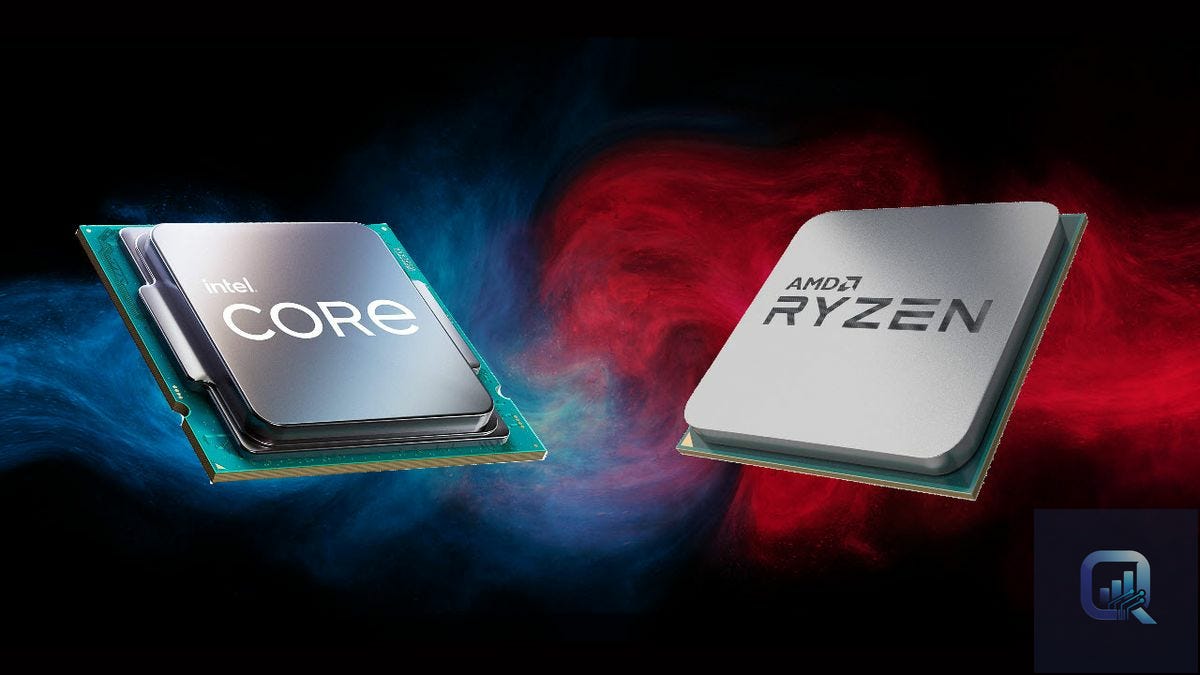
Most people still compare AMD and Intel using benchmarks.
Scores. Clock speeds. Core counts.
But that’s not where the real battle is happening anymore.
From what I’ve seen, the real shift in modern hardware isn’t about who’s faster—it’s about who’s smarter with power.
The Old Playbook
For a long time, Intel’s strategy worked.
Push higher clock speeds.
Maximize single-core performance.
Win the benchmark charts.
And for years, that defined what “better” meant.
But that model doesn’t scale the same way anymore.
AMD’s Architectural Bet
What stands out to me is that AMD didn’t just try to compete—they changed the approach.
The move to chiplet architecture wasn’t just a design choice. It was a shift in philosophy.
Instead of one large, power-hungry die:
AMD uses smaller chiplets
Improves yield and efficiency
Reduces unnecessary power overhead
It’s a more modular, scalable way of thinking about compute.
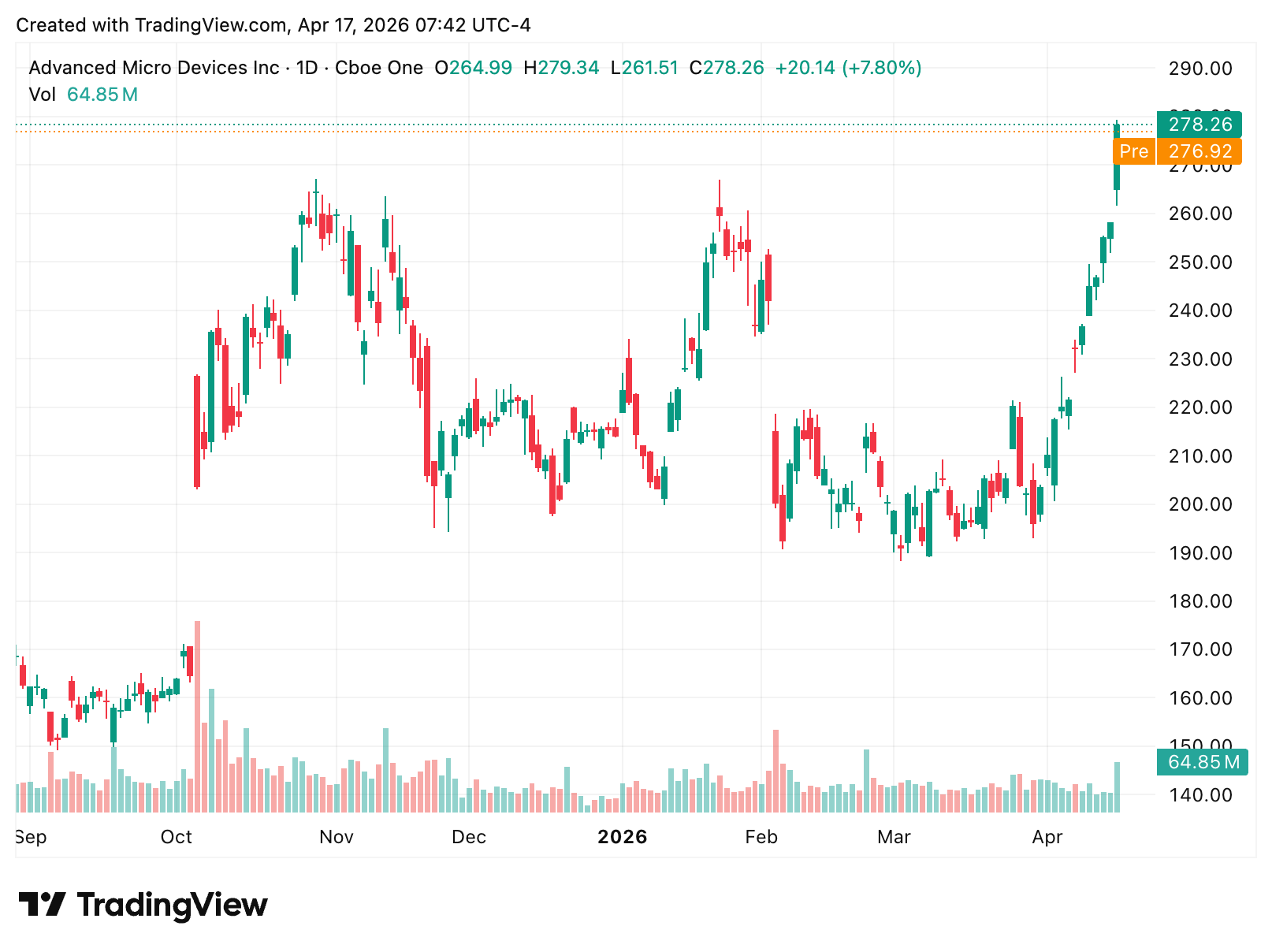
And that shift isn’t just technical — the market is already pricing in AMD’s architectural advantage.
Where Efficiency Starts to Matter
This is where things get interesting.
In today’s systems:
Laptops are thermally constrained
Data centers care about power cost at scale
AI workloads run continuously
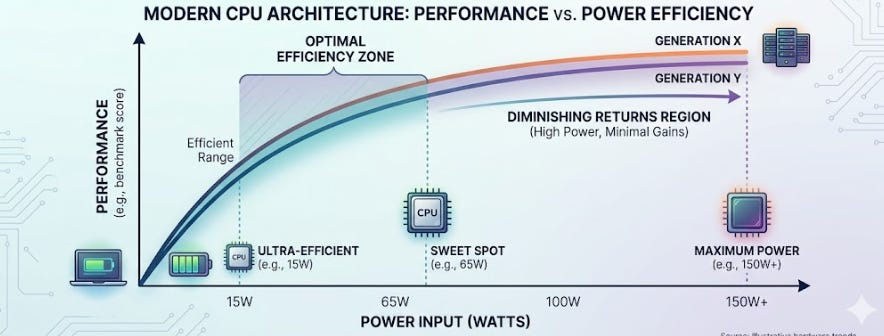
From my perspective, raw performance stops mattering if you can’t sustain it efficiently.
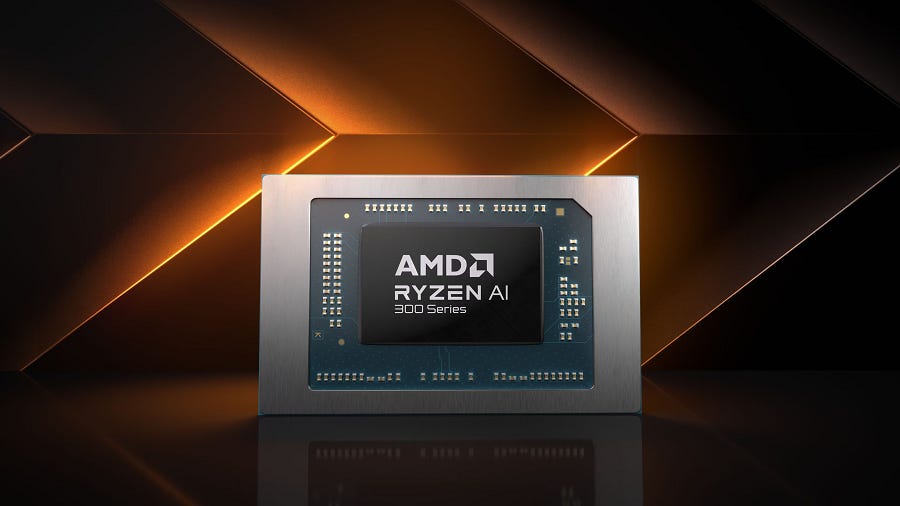
And this is where AMD consistently looks stronger:
Comparable performance
Lower power draw
Better sustained efficiency
Intel Is Adapting, But Late
Intel clearly sees the shift.
Hybrid architectures (performance + efficiency cores) are a step in the right direction.
But it feels reactive rather than foundational.
AMD’s advantage comes from building around efficiency from the start, not adjusting to it later.
The Shift That Matters
To me, this isn’t just AMD vs Intel.
It’s a shift in how we define progress in hardware.
We’re moving from:
“How fast can it go?”
To:
“How efficiently can it sustain performance?”
That difference changes everything:
Battery life
Cooling design
Data center economics
AI scalability
Where This Is Going
If this trend continues, efficiency will define the next decade of computing.
Not peak performance. Not benchmark wins.
Efficiency.
And right now, AMD is ahead not because they’re faster—but because they’re building in the direction the industry is moving.